CHOOSING THANK-YOU FLOWERS
Sending flowers to thank someone leaves a lasting impression beyond words. To avoid appearing romantic, formal or overly showy, the choice should suit your relationship. A cheerful bouquet for a friend and a simple orchid expressing professional thanks do not speak the same language.
How do you set the tone?
First define the reason in one sentence: “They supported me through a difficult time,” “They completed a project successfully,” “They welcomed me into their home” or “They worked hard for me throughout my life.” Then consider how close you are. These answers determine the flower and the card's formality.
| Recipient | Recommended approach | Message tone |
|---|---|---|
| Close friend | Yellow roses or vivid bouquet | Warm, short and personal |
| Colleague / manager | Simple orchid or balanced arrangement | Clear, measured and professional |
| Teacher / mentor | Elegant seasonal bouquet | Respectful and emphasizing their effort |
| Older relative | Classic bouquet in favorite colors | Sincere and memory-focused |
| Host | Decorative potted flower | Emphasizing hospitality |
Why are yellow roses suitable as a thank-you gift?
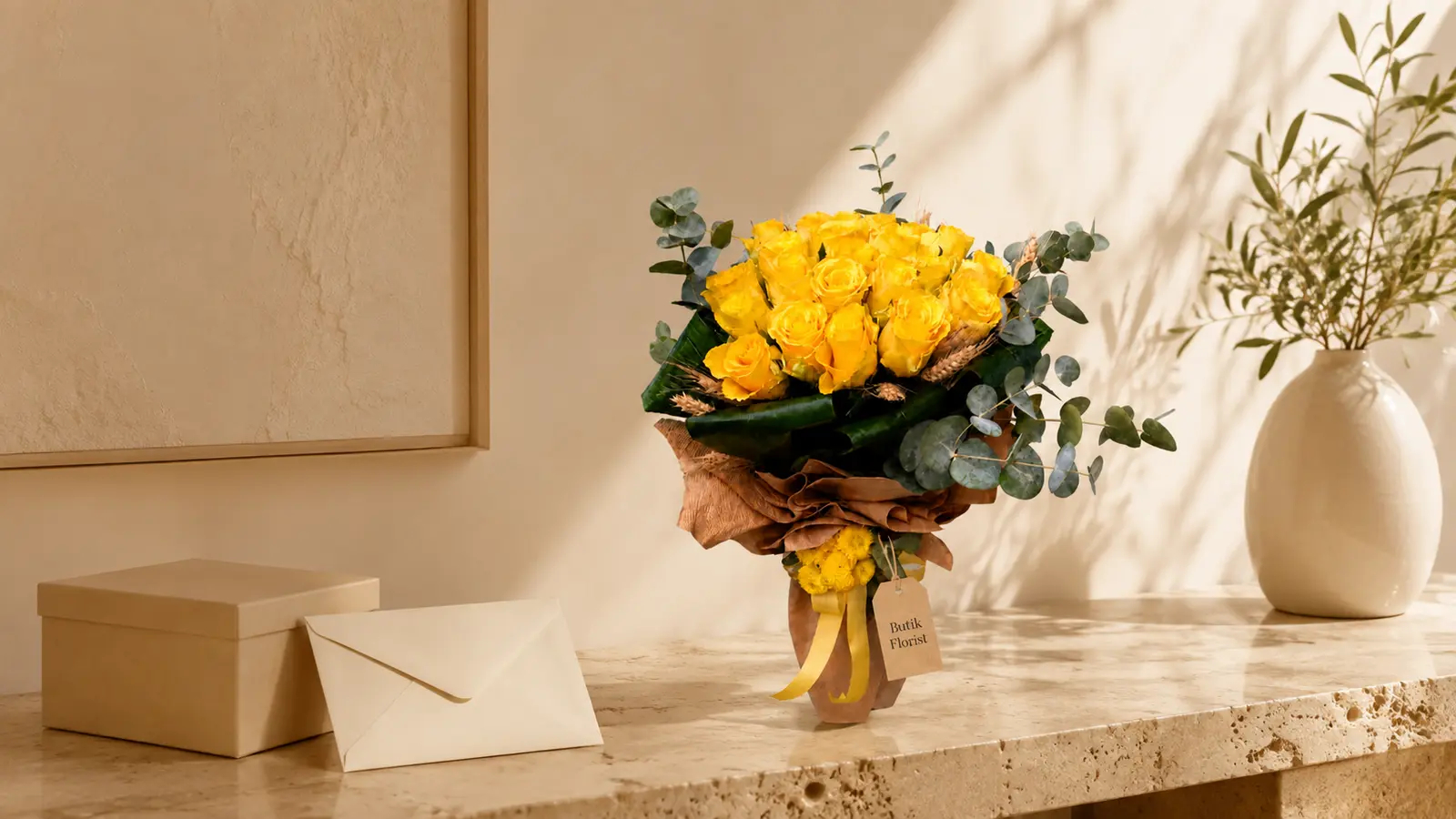
Yellow roses are associated with joy, friendship and sincere appreciation. They suit those wanting to convey strong thanks without romance. After friendship, team support or enjoyable hospitality, yellow tones create a warm, bright impression.
Those seeking one product can explore the My Yellow Rose Bouquet design, combining the natural energy of yellow roses with green textures. To compare meanings and presentations, use the rose bouquets page.
Which flowers suit formal thanks?
In business, the message should suit both the recipient and delivery setting. For an office, simple color, orderly form and a size that does not burden the desk matter. White or pale orchids can be displayed for a long time and suit professional settings.
Instead of exaggerated praise, state the contribution clearly: “Thank you for your support and solution-focused approach to the project.” Write the sender's full name; if sent for a team, mention this at the end.
Three ways to personalize thanks
- Name the reason: Instead of only saying “thank you,” state which action mattered to you.
- Use the recipient's taste: Build the choice around any known color or flower preference.
- Get the timing right: Flowers sent immediately after the event feel more natural than flowers sent weeks later.
What should you write on the card?
Sincere message examples
- “I am so glad you were with me that day. Your support meant so much.”
- “Heartfelt thanks for your thoughtfulness and beautiful energy.”
- “Thank you for the hospitality that made me feel at home.”
Formal message examples
- “Thank you for your valuable contribution and support.”
- “Thank you for your work in bringing the process to a successful conclusion.”
- “Thank you for your kind approach and cooperation.”
What if you cannot choose a color?
If you do not know the recipient's favorite, choose a balanced seasonal design instead of relying on one symbol. Bouquet options with different flowers offer flexible language from sincere thanks to post-celebration gestures. Ensure the delivery note has the correct recipient name, suitable time and sender information.
Mistakes that weaken thank-you flowers
Their value depends on explaining why they were sent, not size. A blank card, generic template or missing sender name creates uncertainty. Overly romantic colors and phrases weaken professional thanks; an overly corporate message weakens emotion for a close friend. Waiting weeks also breaks the connection with the event.
A good thank-you delivery has three parts: flowers suited to the relationship, a short note with a concrete reason and correct timing. Instead of “Thanks for your help,” saying “Your support before the presentation meant I did not feel alone; thank you” is more personal. The flowers should support, not overshadow, this sentence. This avoids an artificial gift feeling in sincere and professional relationships.
Frequently Asked Questions
Can you send red roses as thanks?
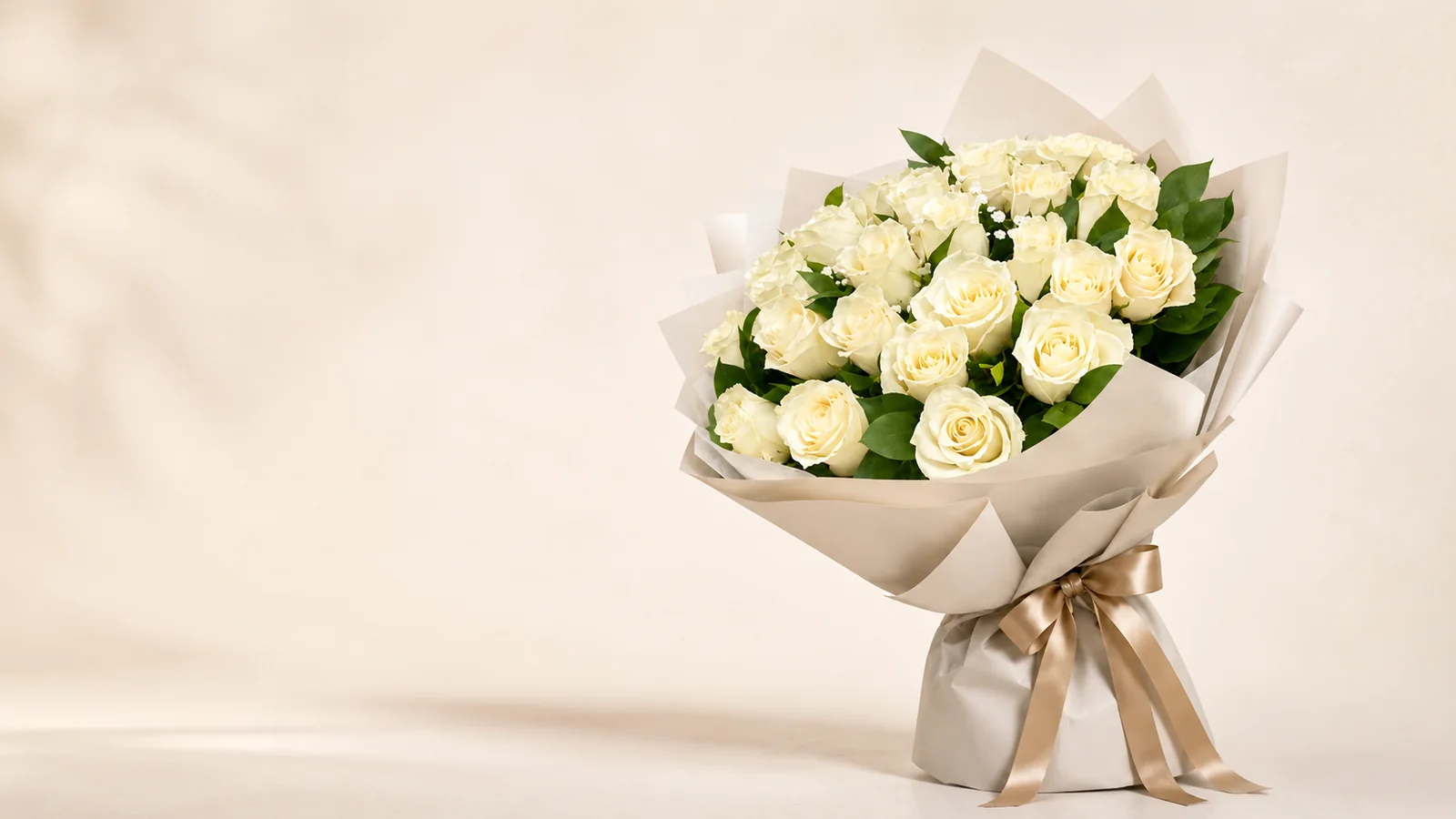
Red roses can appear strongly romantic. For non-romantic relationships, yellow, pink, white or mixed tones communicate thanks more clearly.
Can you send thank-you flowers to a man?
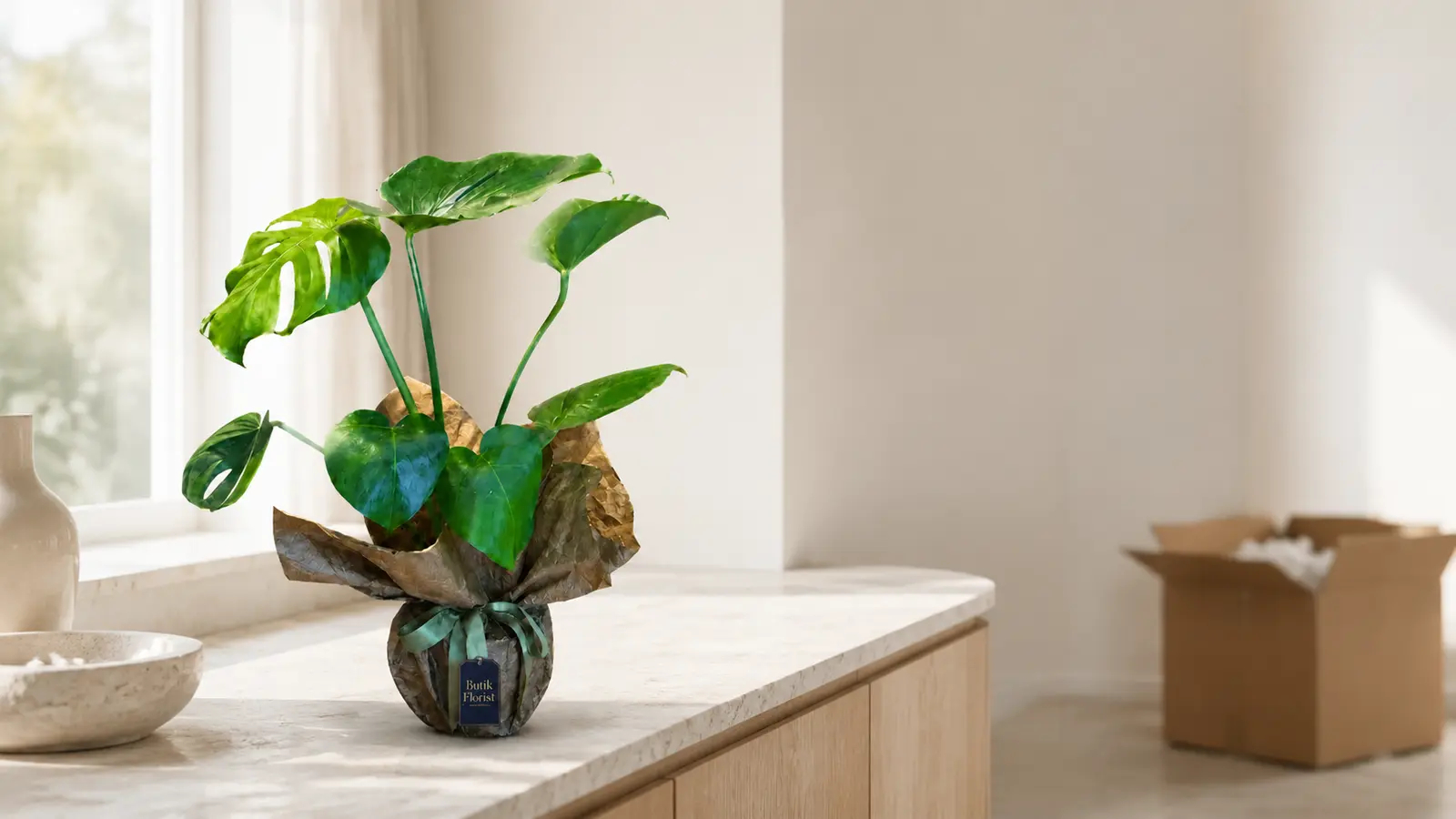
Yes. A simply formed orchid, green plant or neutral arrangement is a thoughtful, gender-independent thank-you gift.
Can apology and thank-you gifts use the same flowers?
Both feelings can appear on one card, but first acknowledge the mistake clearly and then thank them for support or understanding.
Can thank-you flowers be anonymous?
Anonymous delivery leaves the source unclear. Rather than expecting the recipient to guess, clearly write your name at the end.